Ready To Get a Theatre Seating Chart?
ARK Theatre Seating Chart
ARK Theatre – Get All the details of the Theatre Seating Chart located in the United States of America by ARK Theater.
ARK Theater we are happy to provide all thetre seating charts here on our website ARK Theater Seating Chart.
To get all the Theatre seating chart articles that We Have Written Only For You Use the search Box given Below
What Is Theatre Seating Chart?
ARK Theater will also discuss the highlights, importance, seat levels, seating options, and tickets of the Theatre Seating Chart. So, let’s get started so that next time, you can enjoy your event in the theatre worldwide with the help of our Theatre Seating Chart.
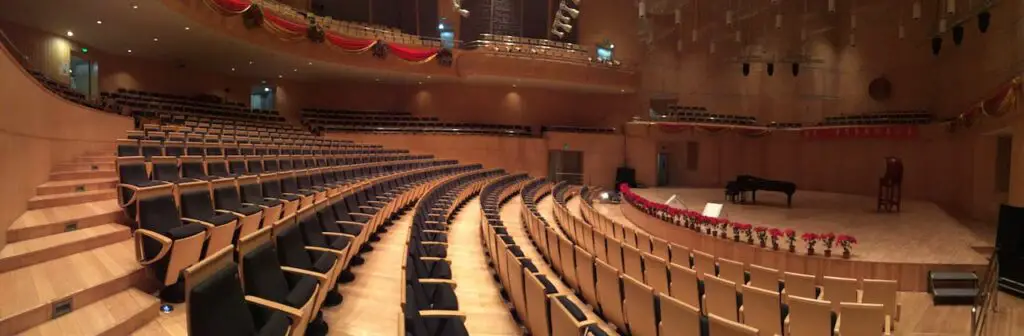
Experience cinema like never before with ARK Theatre seating mastery. Say goodbye to Bad seats and hello to the perfect spot for every movie. A theatre seating chart shows the layout of a theatre with the help of a diagram in which different sections and rows of seats are shown. If you want to enjoy your event you can choose your best seat with the help of this chart.
The chart also provides information on additional features like more space for putting legs, and eating/drinking facilities. It can prove to be a very important chart for those who go to the theatre and it can also prove to be a good experience in purchasing tickets or reserving your theatre seats.
Why seating arrangement is important?
For the following reasons, seating arrangements are important:
- Planning: When you are going to a theatre it is very important to do proper planning of the seating arrangements so that you can have a good view of the stage, and enjoy a more spacious comfortable seat.
- Emergency Exit: If you make proper seating arrangements, you will be able to easily access exits and emergency routes in any emergency.
- Management: If theatres can manage their seating space properly, they can earn more money by increasing their capacity.
- Attractive: Planning a good seating arrangement can improve the look of the entire theatre so that more and more people can visit there.
- Proper Arrangement: If we make proper seating arrangements, it will also become easier to adapt needs of special people like the use of a wheelchair or seating space for the blind or deaf.
These findings suggest that proper seating arrangements will help the people who go to the theatres with comfort, safety, and enjoyment. It will also increase the capacity of the theatre and help in earning more money.
Highlights of the theatres – ARK Theater
Following are the highlights of the theatres about their facilities and features:
- Address: You should have the proper address of the theatre where you are going to attend the event.
- Past: You should know about the theatre’s past in brief.
- Capacity: You should have information related to the size of the stage, and how many seats are available for the particular event.
- Design: you should have the information about the design of the theatre and any special effects added to it.
- Types of Events: Different types of events are held in the theatres Which include concerts, comedy shows, musical shows, and many more.
- Facilities: You should know about the theatre’s facilities which include a washroom, options for food and drinks, facilities for disabilities, and many more.
- Features: it is important to have information about the uses of features like lifts, seating arrangements of wheelchairs, and many more.
- Communication: Information about the theatre is needed such as the mobile number, official website, and email ID of the theatre to communicate with them.
The highlights, given above will make it easier for the people who go to the theatres to understand what to expect and when to visit there.
Layout of the Theatre by ARK Theater
1. Planning of Floor
The planning of the floor is that part of a theatre’s layout that gives information about the location of stages, seating arrangement, and other essential features. Therefore, the flooring plan should be clear to understand and should have complete details so that those who are going to the theatre can easily choose their seats. Some of the theatre floor plans are given below.
- Seating Levels: There are different types of seating levels.
- Arrangement of the rows: The numbers are given to the seats in each section of rows which makes it easy for the people to identify their seats.
- Location: You should know the proper location of the center stage where the event is going to happen.
- Facilities: Have information about the facilities given in the theatres such as washrooms, and other facilities.
- Emergency routes: It is important to know about the emergency routes from where you can exit.
- Identification: A mouse that helps in explaining the symbols and colors used on the floor plan.
Flooring plans included in theatre seating charts should be easy to read and always kept updated, as well as contain other information about the theatre like theatre details, seating arrangement, and many more.
2. Different levels of seating sections on the Theatre Seating Chart
There are different levels of seating sections in a theatre Some of them are given below but the names can also vary depending upon the theatre.:
- The Closest stage seat: The Orchestra is the closest seating area of the stage and also the main floor.
- High View from the Stage: The mezzanine is a high area and is usually located on top of the orchestra level and also provides a high view of the stage.
- Bad view of the stage: The balcony level is the highest seating area which is located on top of the mezzanine and the view of the stage from here is also very bad.
- Private boxes: In Loge level, they are small and private boxes located at the edge of the theatre and provide the closest view of the stage.
- Different areas seats: The Box Seats level is also like a loge but it is located in a different area of the Theatre.
- Special Seating Level: These are special seating areas that have better facilities or a better view of the stage.
The sections available in the theatre depend on various features and each one has its advantages and facilities. Therefore, it is important to show the different sections’ information correctly in the theatre seating chart, so that the people going to the theatre can find it easier to choose the best seat at their convenience.
Different Types of seats are available on the Theatre Seating Chart by ARK Theater
Following is the information about the different types of seats available in the theatre:
- Seats for individuals: For people who are going to attend an event alone or would like to experience more private space, single seats are the best option for them.
- Seats for two: The couple seats are for two people which means it is more spacious and comfortable compared to single seats.
- Seats for groups: If you are going with a group of people such as friends, families, or colleagues then the group seats are perfect for you.
- Seats for loved ones: This seat is good for couples which is more comfortable and has intimate seating options with a two-seater sofa.
- Seats for disabled people: These seats are specially designed for people who use wheelchairs, with extra features, and are more spacious.
Information about tickets and reservations on the Theatre Seating Chart by ARK Theater
ARK Theater – Here are some of the information regarding tickets and reservation which will help you while purchasing and reserving the seats in the theatre.
- Purchasing: In this process, you can purchase your tickets online or from the ticket counter by a ticket vendor for your events.
- Selection: In this process, you can choose the best seat for you from an online seating chart or at the ticket counter at the theatre for your event or show.
- Confirmation: In this process, you will receive the confirmation of the seat ticket you purchased through email, text, or a physical ticket.
- Delivery: In this process, you will get the delivery of your physical ticket or electronic ticket, through mail, email, or at the theatre’s box office.
- Withdrawal of your tickets: If the performance is canceled due to any reason you can demand a refund for a ticket you purchased.
The process should always be simple and understandable for the people who are going to the theatres so that they can easily purchase the tickets and reserve their seats for the events.
ARK Theatre has provided Some of the popular international theatres Seating charts here on ARKTheater.org:
- Fox Theatre seating chart: It is a famous place in the city of Georgia. The theatre seating is explained in the blog Given Here.
- Chicago Theatre seating chart: You must visit the famous Chicago Theatre if you are in Chicago city. If you want to know about the full details of the theatre seating arrangement then Click Here.
- Greek Theatre seating chart: The must-visit place In Los Angeles is the Greek Theatre. Check this blog for details
- Beacon Theatre seating chart: If you are in the beautiful city of New York, you must visit the Beacon Theatre. Check this blog for details.
- Gershwin Theatre seating chart: Gershwin Theatre in New York City’s seating chart full details are here. Check Now
- Orpheum Theatre seating chart: To know the full details about the Orpheum Theatre seating chart check our article by clicking on the given link.
- Altria Theatre seating chart: We have provided the full article on the seating chart of Altria Theatre situated in Richmond.
- Majestic Theatre seating chart: The full article on the seating chart for the Majestic Theatre NYC is here.
- August Wilson Theatre seating chart: The August Wilson Theatre NYC is a must-visit place. Check all the seating arrangements here.
- Broadhurst Theatre seating chart: Check out the full details of the seating arrangement of the Broadhurst Theatre in New York.
- Minskoff theatre seating chart: The tips for choosing the best seat at the Minskoff theatre are given here.
- Al Hirschfeld Theatre seating chart: To know the reviews and seating arrangement of AI Hirschfeld Theatre, check here.
FAQ‘s
It is an arrangement of the chairs in rows, acres, or even in circles and all are faced in the same direction of the stage.
Orchestra-level seats are closer to the stage.
The main three levels of seating sections are Orchestra, Mezzanine, and Balcony.
Orchestra-level seats are more expensive.
The events that are shown in the theatres are comedy shows, musical shows, concerts, drama shows, and many more.
